
When shopping for a **brush sweeper**, turf managers often focus only on price, ignoring whether the machine matches their turf type, working area and supporting tractor.
A mismatched sweeper will waste working hours, damage turf and bring extra maintenance costs.
This buying guide breaks down key selection points, combined with how the brush sweeper works, to help you make a wise investment for your turf care system.
The first factor is turf type.
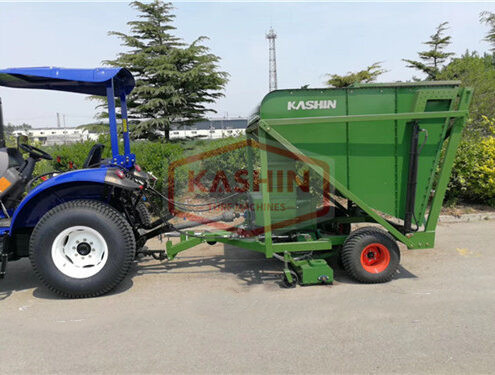
If your main job is putting green grooming on natural bentgrass greens, priority should go to precision, narrow-width brush sweepers with soft, fine bristles.
this type delivers gentle combing, lifts grain without hurting tender grass leaves, which is essential for stable putting quality.
If you maintain football, rugby or hockey fields, including both natural and artificial turf, you need a wider sweeper with heavy-duty bristles.
These models handle large volumes of leaves, rubber infill and game waste quickly, suitable for fast turnaround between matches.
Parks and large landscape lawns usually pursue high coverage speed, so wide working width and large hopper capacity are the top priorities to reduce frequent dumping stops.
Second, confirm the matching tractor requirement.
All tow-behind brush sweepers have a minimum horsepower requirement.
If your turf tractor is underpowered, it cannot pull the sweeper steadily, the brush rotation speed drops, and debris collection rate falls sharply.
Meanwhile, check the hitch specification, hydraulic interface and lifting structure.
Premium sweepers adopt floating brush frame design, which follows the undulation of turf automatically, avoiding digging into low spots and gouging the root zone.
This floating design is a big upgrade over fixed-frame cheap sweepers, especially on greens with subtle surface contours.
Third, compare core structure details.
The brush roller is the wearing part of the whole machine.
High-quality sweepers use solid nylon bristles with good flexibility and wear resistance; inferior brittle bristles break after dozens of hours and need frequent replacement.
The hopper material also matters: thick galvanized or steel hoppers resist rust from wet grass and fertilizer dust.
You also need to check the discharge method: hydraulic high-tip dumping saves much labor compared with manual unloading.
Besides, think about multi-scene usage. Many customers want one sweeper to handle both grooming and leaf collection.
In this case, pick models with adjustable brush speed and height range, so you can switch between light grooming mode and heavy debris collection mode freely.
A complete turf maintenance setup usually combines brush sweeper, turf blower, aerator, topdresser and turf roller.
Buying matching equipment from one supplier also brings convenience for after-sales service and spare parts supply.
Our factory produces a full range of turf brush sweepers for different venues, and our technical team can calculate the recommended working width and tractor power according to your acreage and daily maintenance plan.
Send us your site photos and existing tractor information, and we will recommend the most suitable grass suction sweeper for your project.
Post time: Oct-23-2026