
Buying a high-quality **brush sweeper** does not guarantee perfect turf results.
Many maintenance teams get unsatisfactory grooming and cleaning effects simply because of incorrect operation habits.
Understanding correct working methods and typical pitfalls will help you maximize the performance of your brush sweeper and protect your valuable turf surface, whether you manage natural golf turf or synthetic sports fields.
Working Principle & Preparation
First, we recap the working principle again for operators.
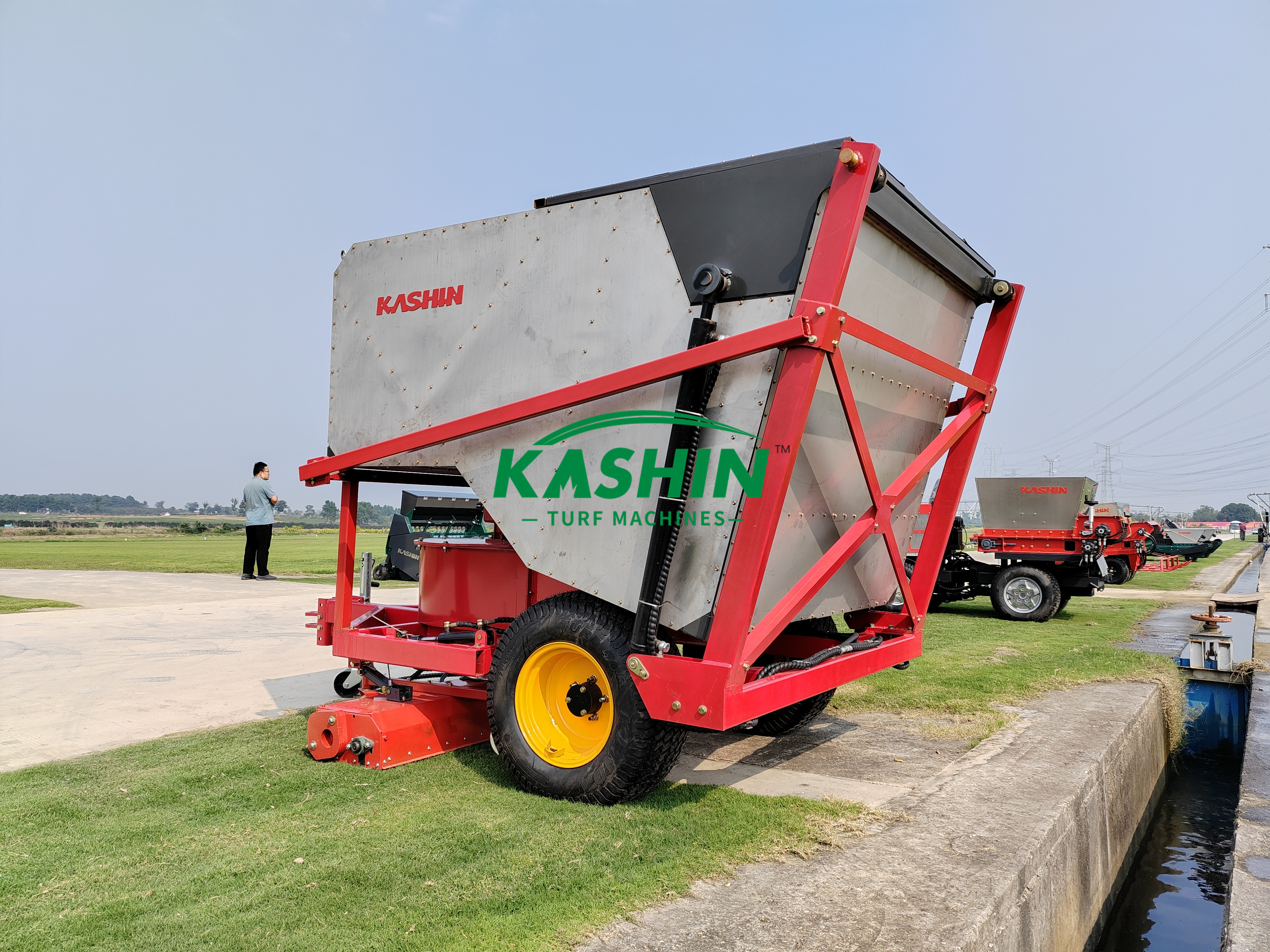
The core function of the brush roller is combing and lifting, not aggressive scraping.
The rotating brush contacts the turf surface, lifts matted grass blades, loosens trapped debris and feeds waste into the rear collection bin.
The whole machine relies on stable traction from a matched turf tractor. Before starting formal sweeping, calibration and pre-check are mandatory.
• Check whether the brush bristles are worn or broken; worn brushes will only push debris around instead of collecting it.
• Test the height setting on an inconspicuous corner of the lawn.
For putting greens, the brush should only lightly touch the grass canopy; pressing too deep will tear the crown of fine-bladed creeping bentgrass and cause yellow spots.
• For rough areas and sports turf, you can lower the brush slightly to clean heavier dirt and clippings.
Common Mistakes to Avoid
The most frequent mistake is sweeping wet turf.
When grass blades and debris are soaked by dew or rain, clippings stick together into heavy clumps. Wet rubbish is hard for the brush to flick into the hopper, and wet organic material smeared on the turf surface will increase disease risk.
The best practice is to wait until dew evaporates and the turf surface is dry before running the brush sweeper.
Another common error is over-brushing.
Many teams run the sweeper every day on greens, which causes continuous stress on turf. For most golf putting greens, grooming sweeping 2 to 3 times per week is enough; high-traffic sports turf can follow a schedule after each match.
Post-Operation Care
You also need to clean the hopper and brush roller after each use. Grass sap and sand left on the bristles will harden, accelerate bristle wear and reduce sweeping performance next time.
A well-matched brush sweeper fits smoothly into your whole maintenance cycle. After aeration, you can use it to clear pulled-up soil cores; after mowing, sweep clippings away quickly; before competitions, groom the whole field to get a tidy, professional playing surface.
Our Weifang factory’s brush sweepers are compatible with mainstream turf tractor models, with easy-access maintenance points and spare brush parts available.
If you are upgrading your turf maintenance fleet and want a durable, low-failure-rate grass suction sweeper, reach out to our team to discuss your working schedule and site conditions.
Post time: Oct-23-2026