
Hosting football, rugby or golf tournaments puts extremely high requirements on tournament turf care. Professional players expect a firm, flat, consistent and injury-free playing surface. Poor pre-event turf preparation will lead to soft ground, irregular ball bounce, bare patches and slippery areas, which ruin match experience and raise athlete injury risks. Successful tournament-oriented sports turf maintenance contains three core phases: pre-event preparation, game-day monitoring and post-event turf recovery. Every stage depends on standardized agronomic operations and professional turf maintenance equipment.
Pre-Event Preparation
You should start the full preparation plan at least four to six weeks ahead of competition day. First of all, complete a full-site inspection: check drainage function, surface level difference, thatch depth, disease risk and thin worn grass areas. If there are ruts, depressions or obvious undulations, you need to plan surface leveling work in advance. The lazer grader blade mounted on turf tractor can gently regrade the surface to fix depressions without tearing healthy turf root system. Minor surface finishing work can be completed with field top maker to create ultra-smooth playing plane.
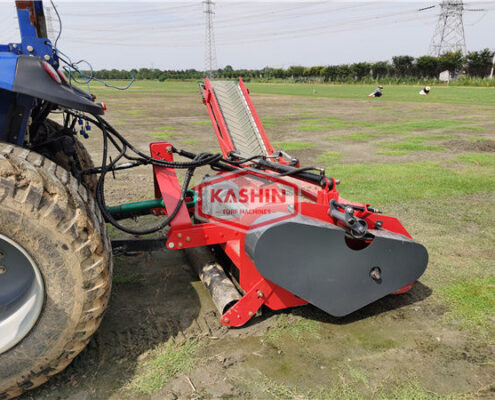
Do not arrange disruptive heavy maintenance work close to game day. Core aeration and deep vertical cutting must be finished no less than six weeks before the event, so turf has enough time to recover and stabilize. If the thatch layer is still thin in the late preparation stage, use light grooming instead of aggressive aeration. Adjust mowing schedule gradually to reach target playing height, always stick to the one-third mowing rule and guarantee clean cutting effect with professional reel mowers.
Irrigation scheduling is critical to form firm turf surface. Reduce watering frequency several days before the match to firm up the root zone. Overwatering creates soft, easily damaged turf surface. Test soil moisture every day to decide irrigation volume. If light topdressing is required, spread sand and use turf drag mat to incorporate sand into turf and smooth the playing plane. turf blower removes grass clippings, leaf litter and foreign debris, keeping the turf canopy clean and dry. Use heavy-duty turf trailer matched with your turf tractor to transport sand, seed and maintenance tools around the venue conveniently.
Scout turf for disease and pests every 2 to 3 days during the preparation period. Prepare fungicide and pest control products in advance, and carry out preventive treatments when weather conditions are favorable for disease outbreaks. Mark thin or weak turf zones and implement spot overseeding well ahead of time. Limit foot traffic on these areas until new grass is fully established.
Game-Day Monitoring
On tournament day, your main goal is surface stability and player safety. Carry out early morning turf inspection. Remove overnight dew if necessary, because excess dew increases slippage and disease risk. Do final debris pickup with turf blower, check uneven patches, loose dressing material and foreign objects on the field. Avoid heavy machinery passes on the field right before kick-off. If rolling work is required for golf greens or pitch firmness adjustment, use lightweight field top maker for gentle rolling.
Keep a small professional grounds crew on standby during match breaks and half-time. The team needs to repair small divots quickly, collect litter and check surface moisture condition. If unexpected heavy rain occurs during the competition, assess drainage performance rapidly. Never drive heavy turf tractor on saturated turf, as it will create deep ruts and permanent soil compaction damage.
Post-Event Turf Recovery
Once the tournament comes to an end, start turf recovery work immediately. The first task is divot repair and spot overseeding. Collect litter and debris across the whole field with turf blower. Inspect ruts and surface damage caused by players or equipment. Use lazer grader blade and turf drag mat to level new indentations and smooth damaged areas.
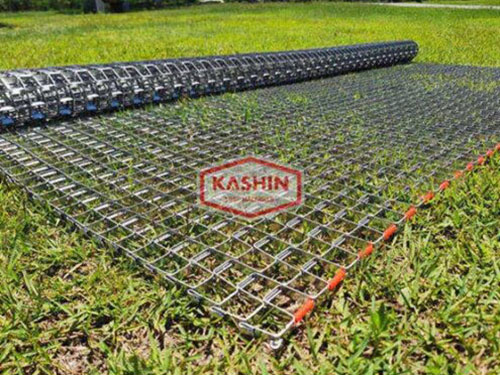
Adjust irrigation plan to stimulate grass regrowth. Apply balanced recovery fertilizer to feed damaged turf, focusing on root repair instead of fast leaf growth. Keep heavy traffic off the field for a scheduled rest recovery period. Start follow-up mowing after new grass shoots establish. Check for disease triggered by game-day wear and excess moisture. Record all turf damage, equipment usage and recovery results, so you can optimize the tournament turf care plan for future competitions.
Equipment Checklist
- turf tractor: core power unit to pull all kinds of attachments
- turf trailer: haul sand, seed, tools and waste materials
- lazer grader blade: surface leveling and rut repair
- field top maker: precision rolling and surface finishing
- turf drag mat: topdressing spreading and surface smoothing
- turf blower: debris, leaf and aeration plug removal
Common Mistakes
The most frequent error is arranging aeration or heavy topdressing too close to match day, leaving turf unstable. Overwatering before games creates soft turf that is vulnerable to wear. Ignoring small surface undulations leads to irregular ball bounce and player injuries. Trying to finish all conditioning work manually without tractor-mounted turf attachments slows down the whole workflow and brings inconsistent surface results.
With careful long-term planning, regular field monitoring and reliable turf maintenance machinery, your sports field can deliver outstanding playing quality during tournaments and recover quickly after heavy use, maximizing the return of your turf investment year after year.
Post time: Oct-13-2026